



Published 15 May 2026
Our methodology focuses on accuracy first.
All information is researched using manufacturer data, official industry guidance, and trusted automotive sources. Where relevant, content is cross-checked against real-world vehicle maintenance practices and common customer enquiries to ensure it is both practical and accurate. Our content is reviewed regularly and updated to reflect changes in regulations, industry standards, and best practices.

The UK supercar market contains multitudes. At one end of the spectrum, you can acquire something with a V8 engine, a sub-four-second 0–60 time, and a badge that makes people stop walking, for less than the price of a new mid-range family SUV. At the other end, there are Ferraris that have sold for nearly eight million pounds at auction — for a car that was built more than sixty years ago.
This guide maps the full picture: the cheapest ways into genuine supercar ownership in the UK, the vehicles that represent extraordinary value for the money, the most expensive cars the UK market has seen traded, and everything in between. Whether you're actively looking to buy, deeply curious about the market, or simply want to understand what you're looking at when you see a price tag, this is the guide.
How the UK Supercar Market Is Structured
Before the specific cars, it helps to understand how the market divides.
The attainable used tier (under £100k): Entry-level and older-generation supercars that have depreciated to accessible levels. Some represent genuine bargains; others represent genuine problems. The difference matters enormously.
The mid-market (£100k–£300k): Modern performance vehicles and newer-generation supercars. New Porsche 911 variants, current-generation Ferrari entry-level, McLaren Sport Series. This is where most serious enthusiast buyers operate.
The premium tier (£300k–£1m): Current flagship models. Lamborghini Aventador, Ferrari SF90, McLaren Senna, new Rolls-Royce and Bentley performance variants.
The hypercar and collector tier (£1m+): Limited-production hypercars, investment-grade classics, and the multi-million-pound auction market for historically significant vehicles.
One important context: UK supercar prices have risen approximately 30–40% since 2021, driven by post-pandemic demand, the electrification transition (creating strong demand for the last generation of pure-petrol performance cars), and renewed appetite for collectibles. The "cheap" end of the market is therefore less cheap than it was, and the top end has extended significantly upward.
The Cheapest Supercars You Can Buy in the UK
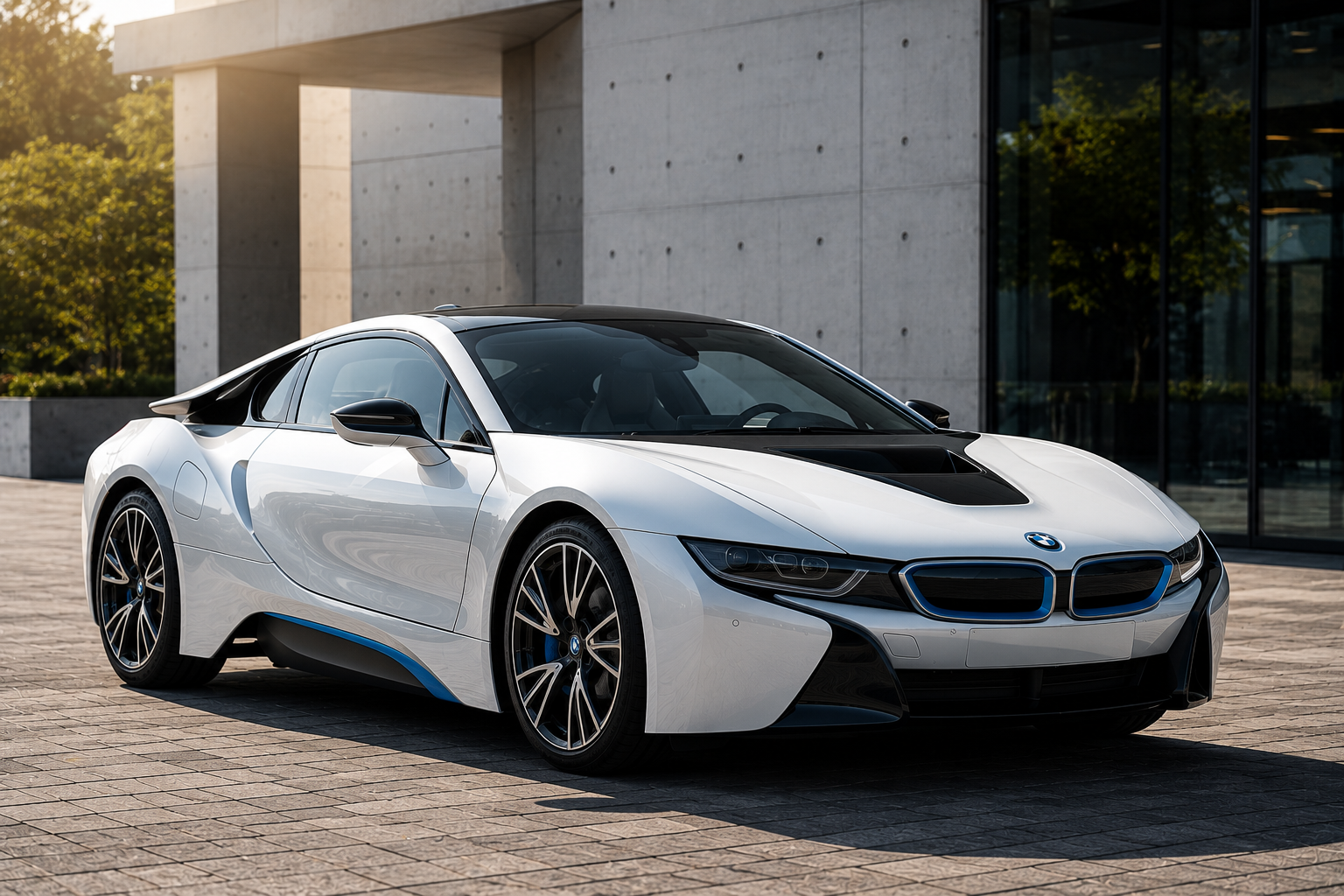
BMW i8 — Supercar Looks, Under £30,000
The i8 is perhaps the most visually dramatic car you can currently acquire in the UK for under £30,000. Butterfly doors, a carbon fibre passenger cell, a hybrid powertrain, and styling that was genuinely futuristic when it launched and still reads as distinctive today.
The performance numbers are sports car rather than true supercar — the 1.5-litre three-cylinder hybrid produces around 362bhp and reaches 62mph in approximately 4.4 seconds. Calling it a supercar is generous by strict definition. But the looks, the presence, and the experience are genuinely extraordinary for the money.
The catch: Battery degradation on older examples, complex hybrid systems, and parts costs that exceed what the purchase price might suggest. Buy carefully and budget realistically for running costs.
Used price: From £25,000–£45,000
Audi R8 V8 and V10 (Early Generation) — The Accessible True Supercar
The Audi R8 is the strongest argument in the "affordable supercar" category, because it genuinely qualifies. The V10 engine (shared with the Lamborghini Huracán) produces 525–620bhp depending on specification, the handling is brilliant, and the build quality is exceptional. Early examples are now available in the UK from approximately £40,000–£70,000.
The R8 is also consistently rated as one of the most reliable used supercars in this price bracket — Audi's build standards mean that ownership doesn't typically involve the financial chaos that some Italian alternatives can bring.
The consideration: Earlier V8 models are cheaper but represent a significant performance step down from the V10. Insurance and servicing costs are real; budget accordingly.
Used price: V8 from £35,000 / V10 from £50,000+
Ferrari F430 — A Real Ferrari for Under £70,000
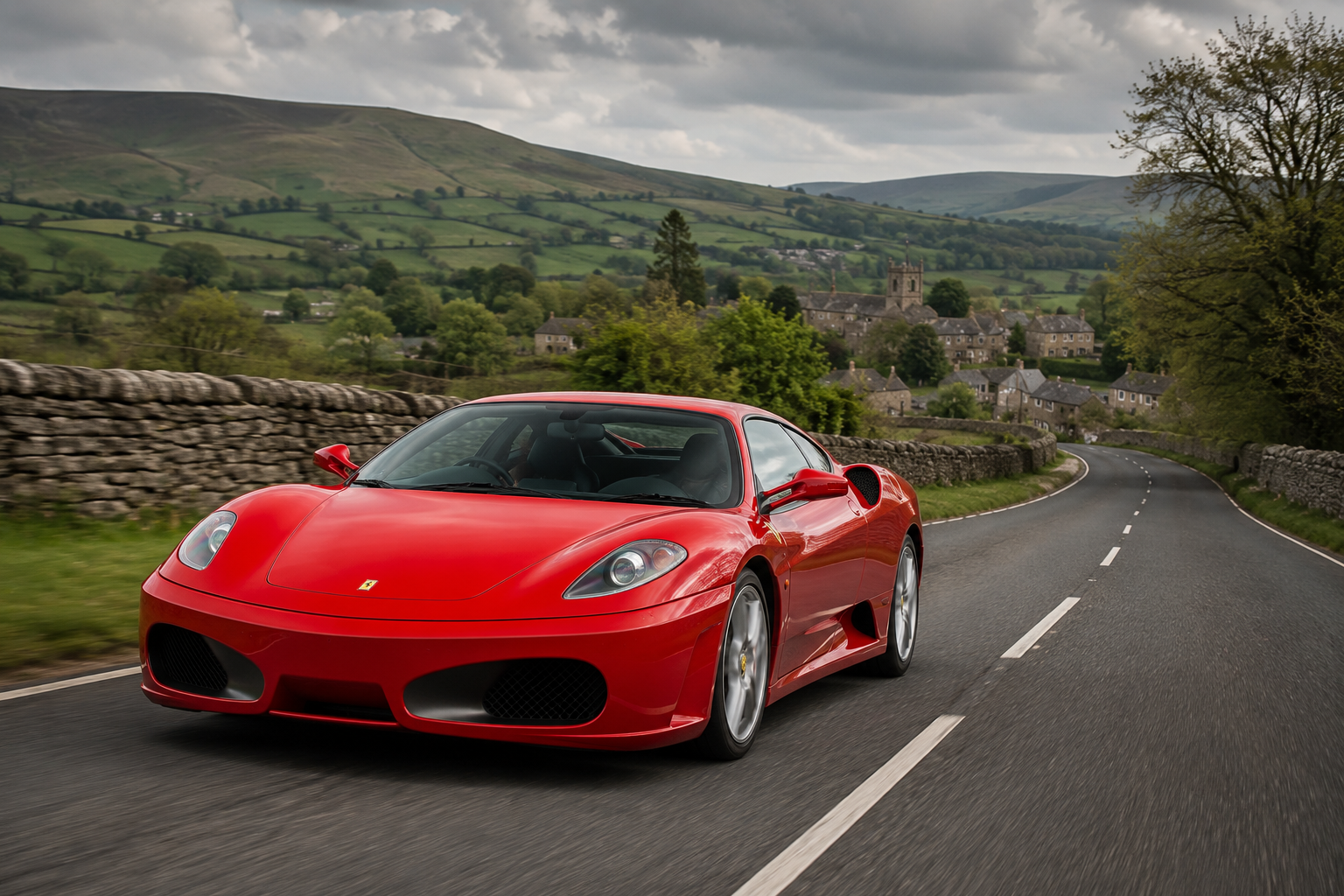
The F430 is the entry point into genuine Ferrari ownership for many UK buyers — and at used prices that have settled around £65,000 for well-maintained examples, it represents something remarkable: a mid-engine V8 Ferrari that sounds extraordinary, handles beautifully, and carries the full weight of the Prancing Horse badge.
New, the F430 cost approximately £117,000. The depreciation curve has now stabilised and in some trim levels begun to reverse — certain special editions have appreciated. This is a car that was produced in sufficient numbers to make ownership practical, but carries enough Ferrari DNA to make ownership genuinely meaningful.
The consideration: Ferrari servicing costs are significant regardless of the car's age or purchase price. A major service on an F430 is not cheap. Factor this into total ownership cost, not just purchase price.
Used price: From £55,000–£90,000 depending on mileage, specification, and service history
McLaren MP4-12C — The Affordable Modern McLaren
The MP4-12C was McLaren's first proper road car and, by modern standards, something of a bargain. New prices exceeded £168,000; used examples in the UK now trade from approximately £60,000–£80,000. The 3.8-litre twin-turbo V8 produces 616bhp, the chassis is magnificent, and the P1-derived suspension technology makes it one of the most sophisticated-handling cars in its price range.
The consideration: McLaren's early reliability record with the MP4-12C was mixed. Hydraulic systems and early electronics can require attention. Find a well-documented, properly maintained example and the car is genuinely outstanding. Cut corners and you'll understand why some of them are cheap.
Used price: From £58,000–£85,000
The Under-£100k Supercar Cluster
A well-established category of UK supercar guides identifies cars available for less than a new BMW M3 (currently around £75,000+) that deliver genuine exotic performance:
| Car | Approx. UK Used Price | What You Get |
|---|---|---|
| BMW i8 | £25,000–£45,000 | Futuristic looks, hybrid tech, butterfly doors |
| Audi R8 V8 | £35,000–£55,000 | Mid-engine, V8, genuine driver's car |
| Audi R8 V10 | £55,000–£75,000 | V10 (yes, the Huracán's engine), extraordinary sound |
| Ferrari F430 | £55,000–£90,000 | The real thing: mid-engine V8 Ferrari |
| McLaren MP4-12C | £58,000–£85,000 | Carbon fibre, 616bhp, brilliant handling |
| Ferrari 458 Italia (high-mileage) | £75,000–£120,000 | Widely considered peak naturally aspirated Ferrari |
| Lamborghini Gallardo | £55,000–£90,000 | V10, quattro, the Huracán's predecessor |
| Nissan GT-R (R35) | £35,000–£70,000 | 600bhp+ with modification, the "Godzilla" |
Are Cheap Supercars Expensive to Run?
This is the question that separates a sensible purchase from an expensive mistake. The honest answer: yes, almost always.
The purchase price is the cheapest part of supercar ownership in the UK. After that:
Insurance: A 40-year-old with a clean licence paying £2,000 per year to insure a Volkswagen Golf should expect to pay £4,000–£8,000 to insure a Ferrari F430. Specialist policies from supercar-focused brokers can be more competitive, but the cost is significant regardless.
Servicing: Ferrari major services can cost £2,000–£5,000+. Lamborghini belt services on older V10 models are similarly expensive. McLaren hydraulic systems require specialist attention. The manufacturer or specialist service network doesn't become cheaper because you bought the car used.
Parts: Exotic parts for Italian supercars in particular carry exotic prices. A steering rack for a Ferrari isn't a steering rack for a Ford.
Tyres: High-performance tyres are consumed faster and cost more per set than standard rubber. Rear tyres on a high-powered supercar driven enthusiastically might last 8,000–12,000 miles.
The realistic running cost for a used supercar in the UK, driven 5,000–8,000 miles per year, typically runs £8,000–£20,000 per year in total costs beyond the purchase price — depending on the car, the age, and how enthusiastically you drive it.
The Most Expensive Supercars in the UK Market
Now for the other end of the spectrum — where the numbers stop feeling like car prices and start feeling like something else entirely.
Modern Hypercars: The £500k–£2m Bracket
| Car | Approx. UK Market Price |
|---|---|
| Ferrari SF90 Stradale | £480,000–£650,000 |
| Lamborghini Aventador SVJ Roadster | £550,000–£750,000 |
| McLaren Senna | £750,000–£950,000 |
| Bugatti Chiron (standard) | £2,500,000–£3,500,000 |
| Bugatti Chiron Super Sport 300+ | £4,000,000–£5,000,000 |
The Bugatti Chiron Super Sport 300+ — the production version of the car that broke the 300mph barrier — represents the practical ceiling of the modern hypercar market in the UK. A 2022 example sold for approximately £4.2 million. For context: that's roughly 70 Audi R8 V10s.
The Classic Supercar Auction Market: Where Prices Become Extraordinary
The UK classic car auction market tells a different story altogether — one where age, rarity, and provenance combine to produce prices that bear no relationship to modern performance metrics.
Ferrari 250 GT SWB: A 1960 example sold in London for approximately £7.76 million. The Ferrari 250 GT SWB is considered by many serious collectors to be the most significant road car Ferrari ever produced — a race car made street-legal in an era when the distinction barely existed. Seven million pounds.
Lamborghini Miura SV: The Miura SV — the final and most developed version of the car that defined the mid-engine supercar layout — regularly achieves multi-million-pound results at UK auction. These are investments masquerading as automobiles.
Porsche 550 Spyder: The car James Dean died in. Genuine examples fetch prices that reflect both their extraordinary rarity and their historical significance.
The common factor in the multi-million-pound bracket is not performance. Modern hypercars are faster than all of these cars. What they're selling is history, rarity, and an irreplaceable connection to the moment these cars defined what was possible.
The UK Supercar Market in 2026: Key Trends
Several things have happened to UK supercar prices over the past five years that anyone buying or considering buying should understand.
Prices have risen significantly. The average sale price of collectible luxury and performance cars has increased approximately 30–40% since 2021. This applies across almost all segments — from used Audi R8s to auction-grade classics.
Petrol supercars are in demand. The transition to electrification has created strong demand for the last generation of pure-combustion performance cars — particularly naturally aspirated engines (Ferrari 458, Lamborghini Gallardo) that are unlikely to be replicated. Buyers who understand the market are treating these as finite resources.
The used hyper-luxury SUV market has moved. Pre-owned Lamborghini Urus and Porsche Cayenne Turbo GT pricing has risen approximately 50% since 2020, reflecting the broader SUV premium in the prestige market.
"Cheap" has moved upward. What was £30,000 is now £40,000. What was £50,000 is now £65,000. Adjust your budget expectations accordingly.
Best Value Supercars in the UK: Where to Get the Most Car for the Money
If the question is "where does the market offer genuine value" — cars that deliver extraordinary performance and experience relative to their current UK price — the answer in 2026:
| Car | Used Price | Value Proposition |
|---|---|---|
| Audi R8 V10 | £55,000–£75,000 | The Huracán's engine in a car with better build quality and lower insurance |
| Ferrari F430 | £60,000–£85,000 | Real Ferrari, beautiful naturally aspirated V8, prices stabilising |
| McLaren MP4-12C | £60,000–£80,000 | Carbon fibre structure, brilliant handling, cheaper than it should be |
| Lamborghini Gallardo | £55,000–£85,000 | The Huracán's predecessor, V10, properly exotic but attainable |
| Porsche 911 GT3 (997 gen) | £80,000–£120,000 | Pure driver's car, Porsche reliability, values only heading one way |
| Ferrari 458 Italia | £90,000–£140,000 | The last naturally aspirated Ferrari V8 — future classic credentials are strong |
Common Pitfalls When Buying a "Cheap" Supercar
The UK used supercar market rewards the well-informed and punishes the optimistic. The most consistent mistakes:
- Buying on price alone — a Ferrari F430 at £45,000 is cheap for a reason. Always find out why.
- Ignoring service history — a full, documented service history from a Ferrari/Lamborghini specialist is non-negotiable. Gaps are red flags.
- Underestimating running costs — see above. The car is never the most expensive part.
- Skipping an independent inspection — always have a prospective purchase inspected by a specialist independent of the seller.
- Buying a heavily modified example — modifications on supercars can void warranties, affect insurance, and make future servicing complicated.
- Not budgeting for the first service — many used supercars have missed services. Assume your first year of ownership will include a significant service bill.
Should You Buy a Cheap Used Supercar or Finance a More Expensive Modern One?
This is the genuine dilemma for many UK buyers, and there isn't a universal right answer.
Buy cheap used if: You enjoy tinkering, are comfortable with some uncertainty, have a good relationship with a specialist, and value the character of older vehicles over outright performance. The Audi R8 and Ferrari F430 are genuine supercars that deliver extraordinary experiences even by modern standards.
Finance modern if: Reliability and predictable costs matter to you, you want the latest technology and safety features, and the headline performance is the point. A financed Ferrari F8 at £1,200/month is a different proposition from the ownership experience of a £65,000 F430, and it's a better one in specific ways.
The overlooked option: Hire rather than buy. The weekly cost of occasional supercar hire — a Ferrari for a weekend, a Lamborghini for a birthday — is often lower than the true per-week cost of ownership when all costs are factored in. No depreciation, no insurance, no service bills. Just the car when you want it.
Final Thoughts: The UK Supercar Market Has Something for Everyone
From a £28,000 BMW i8 to a £7.76 million Ferrari 250 GT — the UK supercar market is one of the most diverse and sophisticated in the world. The attainable end has become more attainable through depreciation; the collectible end has become more expensive through demand. Between those extremes, there's an enormous range of extraordinary machines, each representing a different set of trade-offs between cost, performance, reliability, and pure driving joy.
Know the total cost of ownership before you buy. Know the market trends before you invest. Have any serious purchase independently inspected. And if the ownership commitment feels like too much — there's always the hire.
Not ready to buy but want to experience a supercar anyway? Compare prices and availability from hundreds of hire partners across the UK with Autofusion — and drive the car without the insurance bill.